
The right repair starts with the cause, not the visible defect. Bridge integrity services bring together structural surveys, testing and engineering assessment to establish why damage or deterioration has occurred, then inform a remediation plan and verification of completed work against applicable standards.
A repair that addresses only visible symptoms may leave the underlying cause unresolved. A sound assessment considers the observed condition alongside the bridge structure, its materials and the factors contributing to the defect. This helps ensure that proposed interventions are based on evidence rather than assumptions.
This article explains how root-cause analysis informs remediation, what affects the choice of repair method, and how completed work can be assessed against project requirements. It also outlines how specialist engineering support can help asset owners plan targeted repairs and extend a bridge’s useful life when strengthening or concrete repair is appropriate.
Key Takeaways
- Trace the mechanism behind visible damage before selecting a repair, so the remediation plan addresses the cause as well as the symptoms.
- Set verification requirements around the specified repair scope, materials and applicable standards, with evidence gathered during and after the work.
- Assess inspection costs by considering access, bridge condition, investigation scope and the testing needed to inform engineering decisions.
- Match inspection methods to the structure and suspected defects; survey findings can help determine whether concrete repair or structural strengthening is appropriate.
Root-cause analysis and remediation plans
A bridge assessment connects observed damage with structural behaviour, exposure and maintenance history. Its findings inform the repair scope, priorities and evidence needed to assess completed work.
Root-cause identification
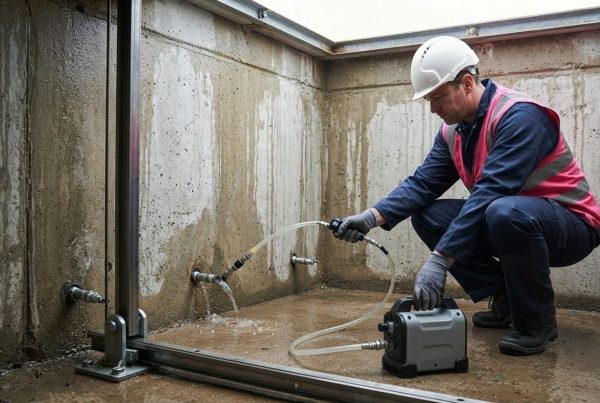
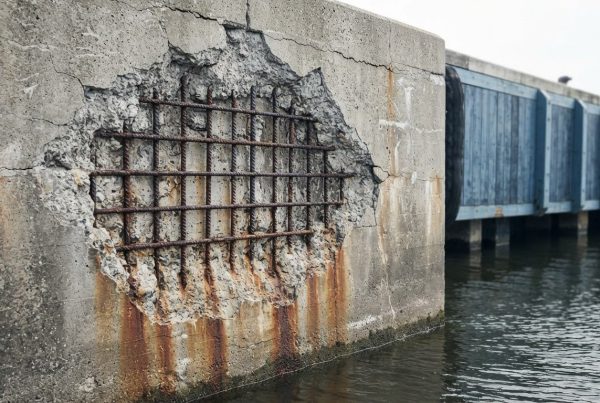
Engineers record each defect by location, extent and pattern, comparing findings across the deck, supports, joints and drainage. Common defects include cracking, spalling, exposed reinforcement, leakage, bearing movement and scour. Each can point to different deterioration mechanisms or structural risks. Damp staining below a joint, for example, may indicate water ingress, while widening cracks can prompt assessment of movement or load transfer. Considering material condition alongside structural behaviour helps distinguish visible symptoms from contributing causes.
Remediation planning
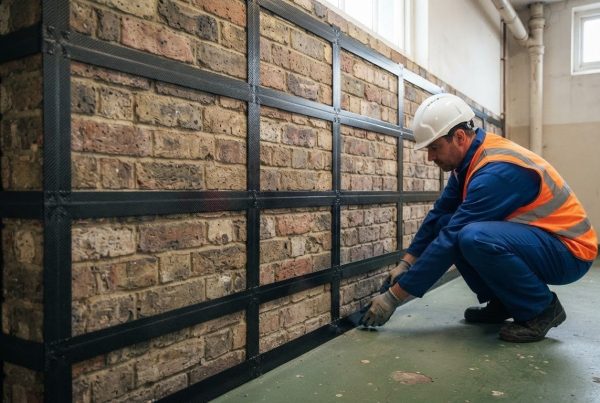
A remediation plan turns diagnosis into defined interventions, priorities and inspection hold points. The report should identify affected elements, repair limits, access constraints and required performance. Concrete repair may address deteriorated areas, while structural strengthening may be considered if the assessment identifies a capacity concern. The method should suit the substrate, exposure and cause being controlled. Sequencing matters: water ingress or movement may need attention before protective treatments, so the repair does not simply conceal an active mechanism.
Inspection and assessment costs
The price of a UK bridge inspection or assessment depends on the scope and is provided after a quote request. Cost factors include bridge size and condition, access requirements, survey scope and testing needed to investigate specific concerns. A visual survey may involve less investigation than work on difficult-to-reach elements or material testing. Reporting requirements also shape the scope. Defining the decision the assessment must support helps focus investigations on relevant elements and evidence.
Assessment from survey to report
A professional assessment takes survey findings through to a report recording condition, risks and recommended actions. The process commonly includes reviewing available records, conducting a site survey, carrying out targeted investigation and interpreting the evidence. The report sets out defect locations, likely causes, remediation options and priorities, with verification requirements linked to the proposed work. This gives asset teams a documented basis for planning repairs and deciding what evidence will show that the specified work is complete.
Verification standards
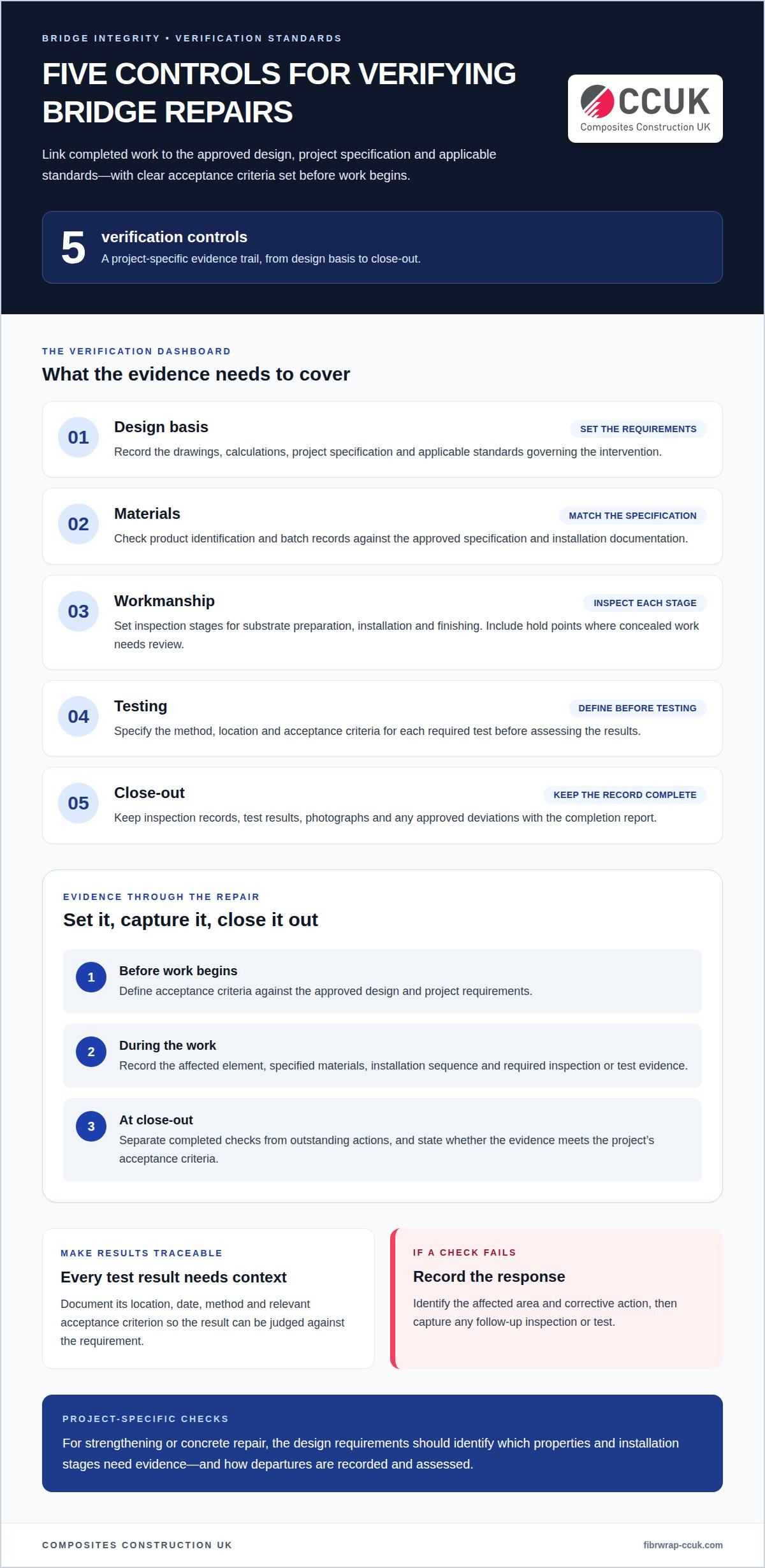
Verification links completed bridge work to its approved design, specification and applicable standards. The assessment plan should define acceptance criteria before work begins, so inspection findings and test results can be judged against documented requirements.
For each repair, records should identify the affected element, specified materials, installation sequence and required evidence. For example, a concrete repair needs inspection criteria that reflect its scope and design requirements, not a generic visual sign-off.
- Design basis: Record the drawings, calculations, project specification and applicable standards governing the intervention.
- Materials: Match product identification and batch records to the approved specification and installation documentation.
- Workmanship: Set inspection stages for substrate preparation, installation and finishing, with hold points where concealed work needs review.
- Testing: Define the method, location and acceptance criteria for each required test before results are assessed.
- Close-out: Keep inspection records, test results, photographs and any approved deviations with the completion report.
For a repair involving strengthening or concrete repair, project-specific design requirements should inform the checks. The design requirements should make clear which properties and installation stages require evidence, and how departures are recorded and assessed. This links field inspection to the engineered intervention.
Verification also relies on traceable records. A test result is useful only when its location, date, method and relevant acceptance criterion are documented. If a specified check fails, the record should identify the affected area and corrective action, then capture any follow-up inspection or test. This creates a clear link between the requirement and the evidence.
The final report should separate completed checks from outstanding actions and state whether the evidence meets the project’s acceptance criteria. Asset teams can use the documented outcome to support maintenance planning and future condition assessments. Keeping the original specification with the close-out records also helps later reviewers understand why the intervention was selected and how its performance was assessed.
Bridge inspection and integrity assessment costs in the UK
The price depends on the case and is provided after a quote request. A visual inspection of accessible bridge elements differs in scope from an investigation involving difficult access, material testing or detailed structural analysis. An estimate should therefore relate to defined inspection tasks and deliverables, not simply the bridge name or length.
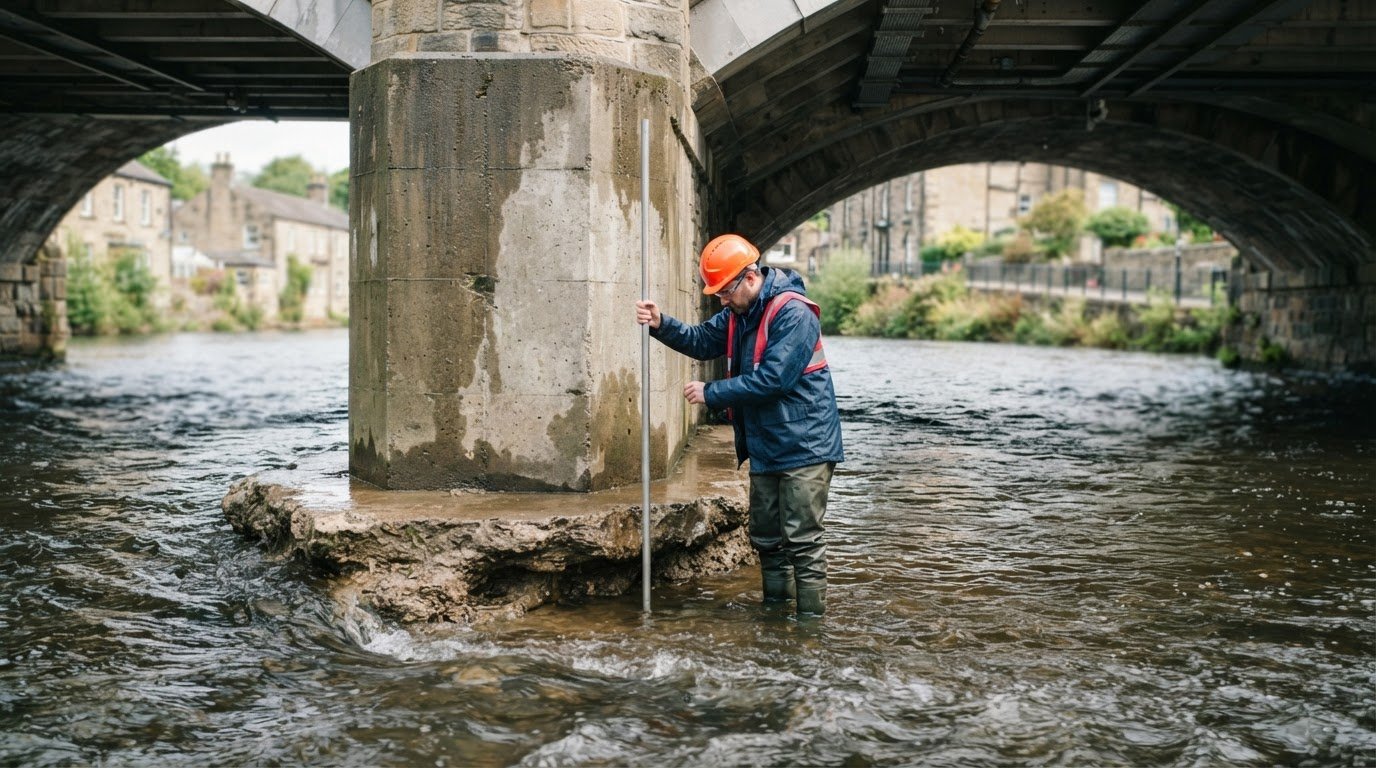
Access is a key cost factor. A survey of exposed deck surfaces differs from one requiring specialist access beneath a span or around bearings. Traffic management, waterway constraints and restricted working areas can also affect planning. For example, inspecting a pier beside a busy route may require different access arrangements from examining an unobstructed parapet.
Condition and uncertainty influence the investigation scope. Visible cracking may prompt closer examination of crack patterns, movement and nearby drainage. Suspected reinforcement corrosion can require targeted testing to establish its extent. More areas requiring investigation mean greater survey and analysis effort. Existing drawings, maintenance records and previous inspection reports can help focus the work on specific elements.
Compare quotations by checking whether they cover the same bridge elements, access assumptions, inspection methods and reporting outputs. A low-cost visual survey may not answer questions that require material testing or structural assessment. Ask for the scope to separate site work, analysis, testing and recommendations. This makes differences between proposals clearer without treating unlike investigations as equivalent.
- Bridge configuration: Span arrangement, element types and accessible surfaces define the survey area.
- Access planning: Working beneath a deck or beside traffic can alter equipment and staffing needs.
- Investigation depth: Targeted testing adds work beyond recording visible defects.
- Reporting needs: A condition summary differs from a report evaluating repair options and priorities.
Before commissioning an assessment, define the decision it must support, such as prioritising repairs or investigating a suspected defect. A clear question helps align the inspection scope, evidence and reporting effort with the asset team’s requirements.
Methods and technologies for bridge structure inspections
Bridge inspections combine direct observation with targeted testing selected for the material and suspected defect. A visual survey records visible cracking, spalling, corrosion staining, joint deterioration and drainage problems. Photographs linked to locations help engineers compare defects across structural elements and record changes during later inspections.
When surface observations cannot establish the condition, non-destructive testing can provide further evidence without removing substantial material. Ground-penetrating radar can help locate reinforcement and identify subsurface features in concrete. Ultrasonic testing can assess concrete uniformity, while half-cell potential measurements can indicate areas where reinforcement corrosion may be active. Results need to be interpreted alongside surface condition and structural context.
- Close visual examination: records defect type, position, extent and relationship to nearby joints or drainage.
- Reinforcement surveys: use electromagnetic detection or ground-penetrating radar to map embedded steel before investigation or repair.
- Concrete testing: applies methods such as ultrasonic pulse velocity or rebound testing to inform material assessment.
- Remote imaging: uses drone photography to document hard-to-reach surfaces, subject to safe access and suitable viewing conditions.
- Movement monitoring: tracks selected cracks or structural locations over time when movement needs assessment.
Each method addresses a different engineering question. For example, a corrosion-potential survey can identify areas for closer investigation, but cannot alone establish the cause or extent of deterioration. Drone images can document a bridge soffit, but cannot replace close examination when surface details remain obscured. Combining techniques helps relate measurements to the observed defect and the structural element involved.
Structural surveys and testing are most useful when their scope follows a defined assessment objective. The selected methods, access arrangements and reporting requirements should produce evidence relevant to the repair or maintenance decision. Discuss a bridge inspection when specialist assessment is needed to investigate defects and inform the next steps.
Composites Construction UK
Composites Construction UK supports bridge owners when an assessment identifies a need for structural repair or strengthening. Its services include concrete repair and Carbon Fibre Reinforced Polymer (CFRP) strengthening, with the intervention shaped around the identified defect and the structure’s requirements. Tyfo® Fibrwrap® Systems may also form part of a suitable strengthening solution. These services are relevant when survey findings establish a repair scope and the next step is an engineering intervention, rather than further inspection alone.
By addressing deterioration or strengthening needs through targeted work, the aim is to support continued use of the existing structure. The appropriate approach depends on the assessment evidence, affected elements and required performance. To discuss bridge repair or strengthening needs, contact Composites Construction UK.
Move from assessment to an informed decision
A useful next step is to turn the assessment findings into a decision record for the asset. Set out the intervention objective, the supporting evidence, the work boundary and the performance criteria that will guide completion. This creates a practical reference for project teams and future maintenance planning, particularly if the bridge’s condition changes or further work is considered.
When findings indicate that repair or strengthening should proceed, bridge integrity services can connect engineering assessment with a defined intervention. The right approach depends on the defect, structural element and required performance; no single method suits every bridge. Composites Construction UK can discuss how its structural engineering services fit your project requirements.
Contact Composites Construction UK to discuss the next step for your bridge.
Frequently Asked Questions
What are bridge integrity services?
Bridge integrity services are engineering activities that help establish a bridge’s condition and inform decisions about its continued use, repair or strengthening. They can include structural surveys, testing, defect assessment and recommendations for remedial action. For example, a survey may investigate whether deterioration is limited to the concrete surface or extends into an element requiring further engineering assessment.
What bridge inspection and structural assessment services are available in the UK?
Services can include structural surveys and testing, condition assessment, investigation of specific defects, and engineering input for repair or strengthening. Composites Construction UK provides structural surveys and testing, as well as concrete repair and Carbon Fibre Reinforced Polymer strengthening. The appropriate scope depends on the asset owner’s question: locating visible deterioration requires different evidence from assessing a suspected structural capacity concern.
Which UK standards and regulations govern bridge inspections and maintenance?
Applicable requirements depend on the bridge, its owner and the work being assessed. The inspection brief and project specification should identify the standards and procedures to be used, rather than relying on a generic reference to UK regulations. For a repair project, the design basis, material requirements and acceptance criteria should also be recorded, so inspection findings and completion evidence can be assessed against the agreed scope.
How often should UK bridges be inspected, and what inspection types are required?
Inspection frequency is set by the asset owner’s inspection regime, informed by the bridge’s condition, use and known defects. A single interval is not appropriate for every structure. Inspection work may include routine visual reviews, closer examination of particular elements or targeted investigation after a defect is identified. For example, new cracking may prompt focused monitoring or testing alongside planned inspections.
How are bridge inspection findings prioritised, repaired, and monitored?
Findings are prioritised by considering defect severity, change over time, affected structural elements and the consequences of continued deterioration. The resulting action may range from recording a condition for future review to planning a targeted repair or further assessment. Monitoring should use a consistent location and method, allowing observations to be compared over time and changes to inform maintenance decisions.
What qualifications and accreditations should a UK bridge inspection provider have?
Qualifications and experience should match the technical scope of the inspection. Structural assessment requires relevant engineering knowledge, while material testing calls for competence in the selected methods and interpretation of results. For projects with access constraints or complex defects, the assessment team’s experience should reflect those demands. Any claimed accreditation should be relevant to the work and clearly distinguished from professional qualifications.